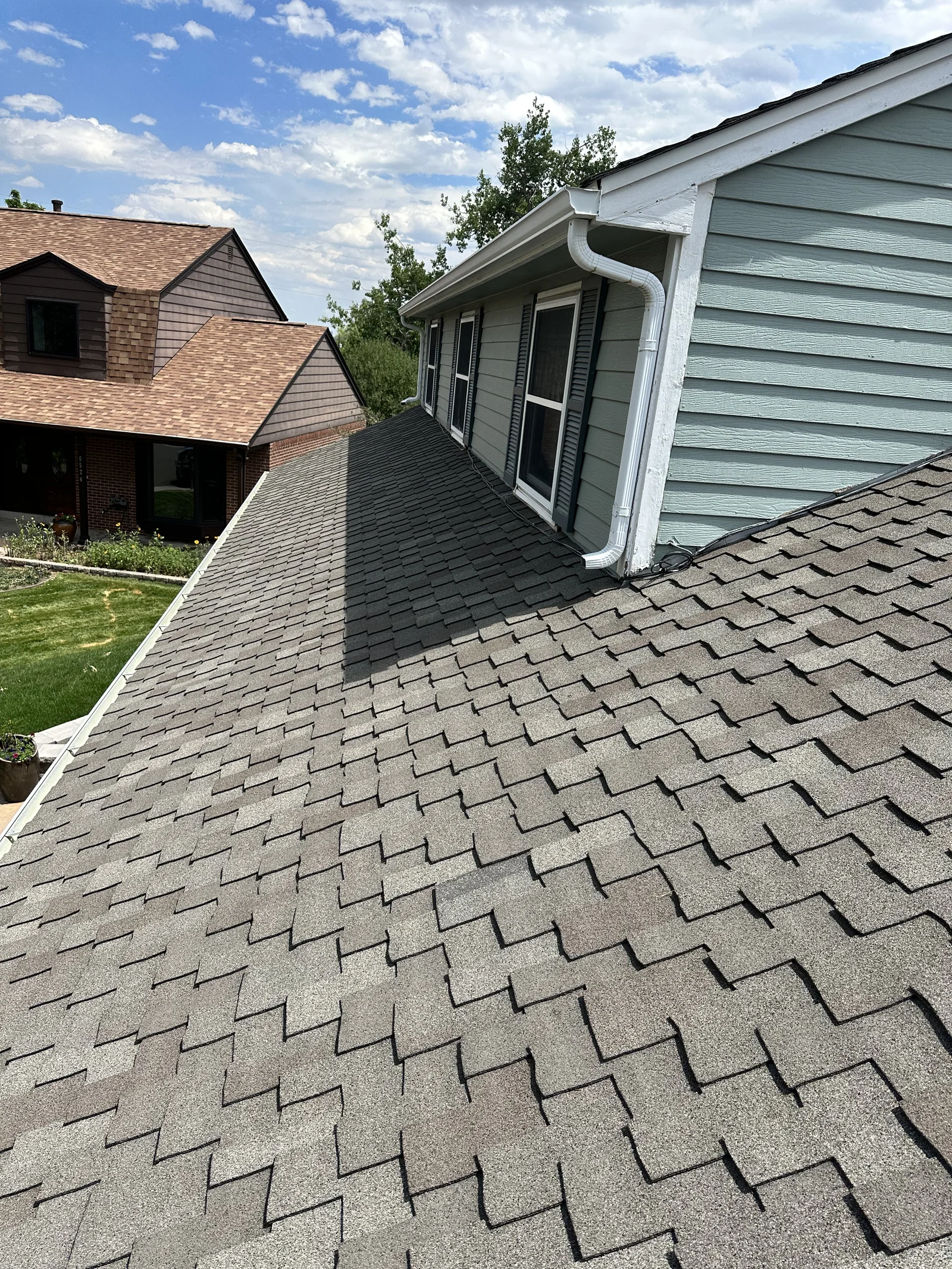
Roofing contractor
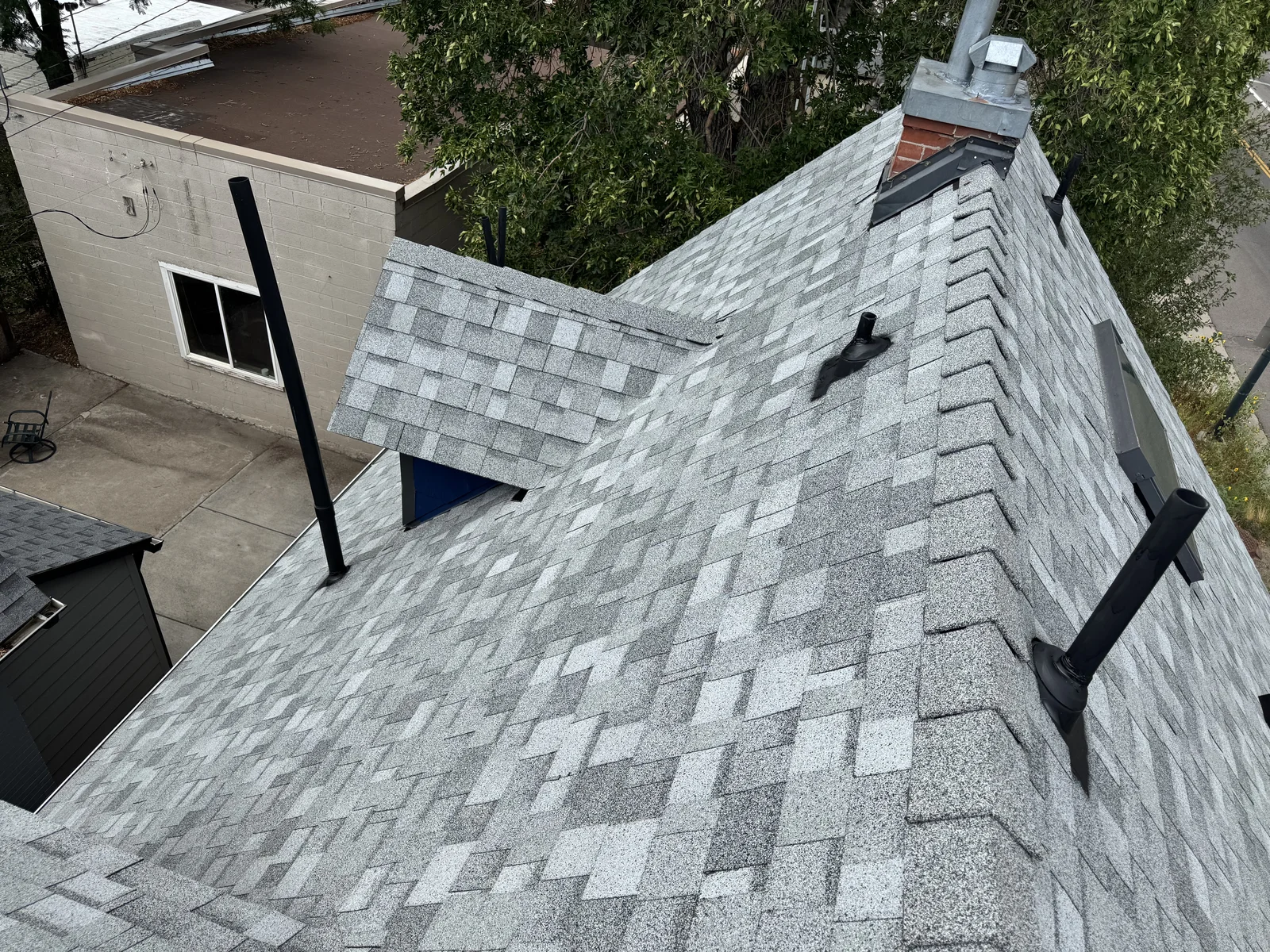
Roof inspection, roof repair, and roof replacement for homes across the Denver metro area.
- Roof inspection
- Roof repair
- Roof damage repair
- Roof installation
- Roof repair for storm & wind damage
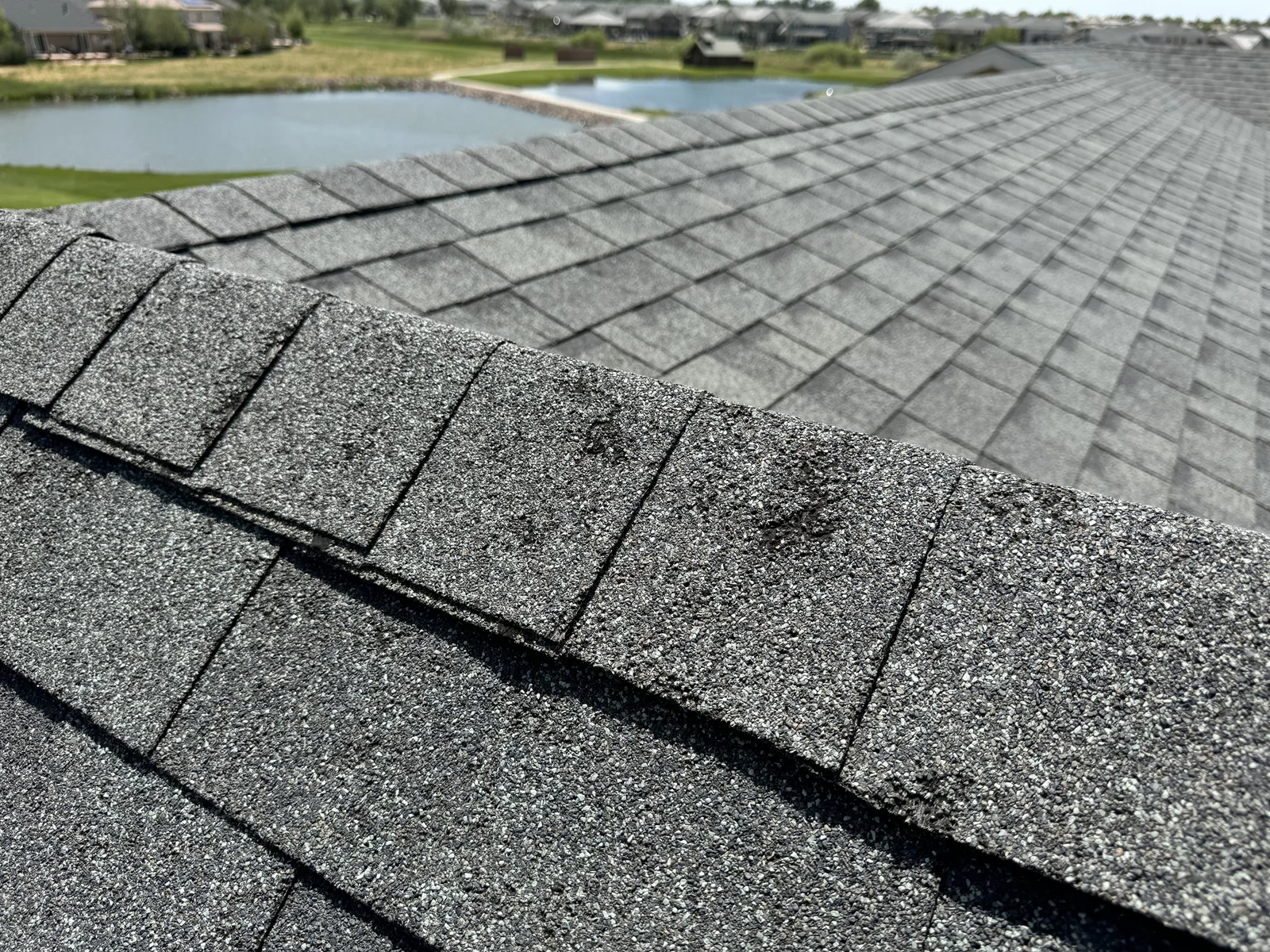
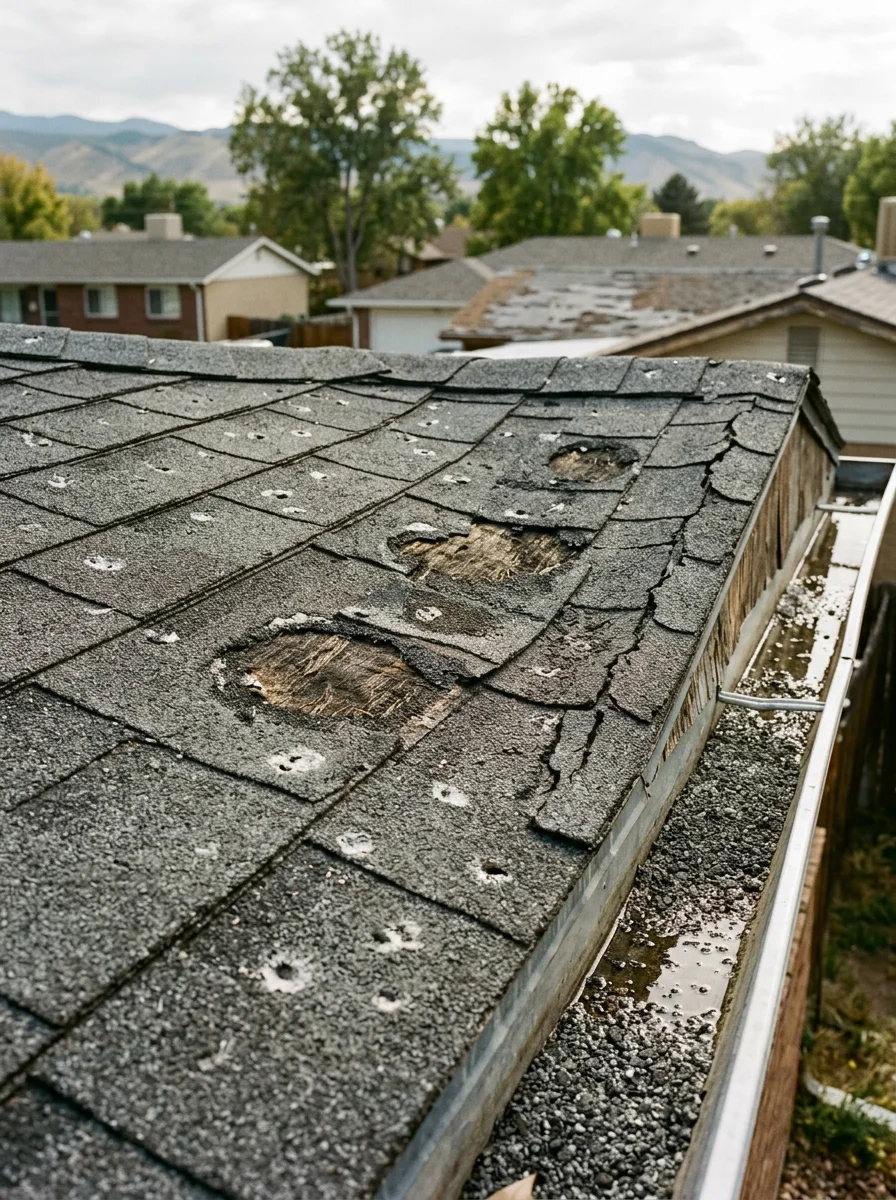
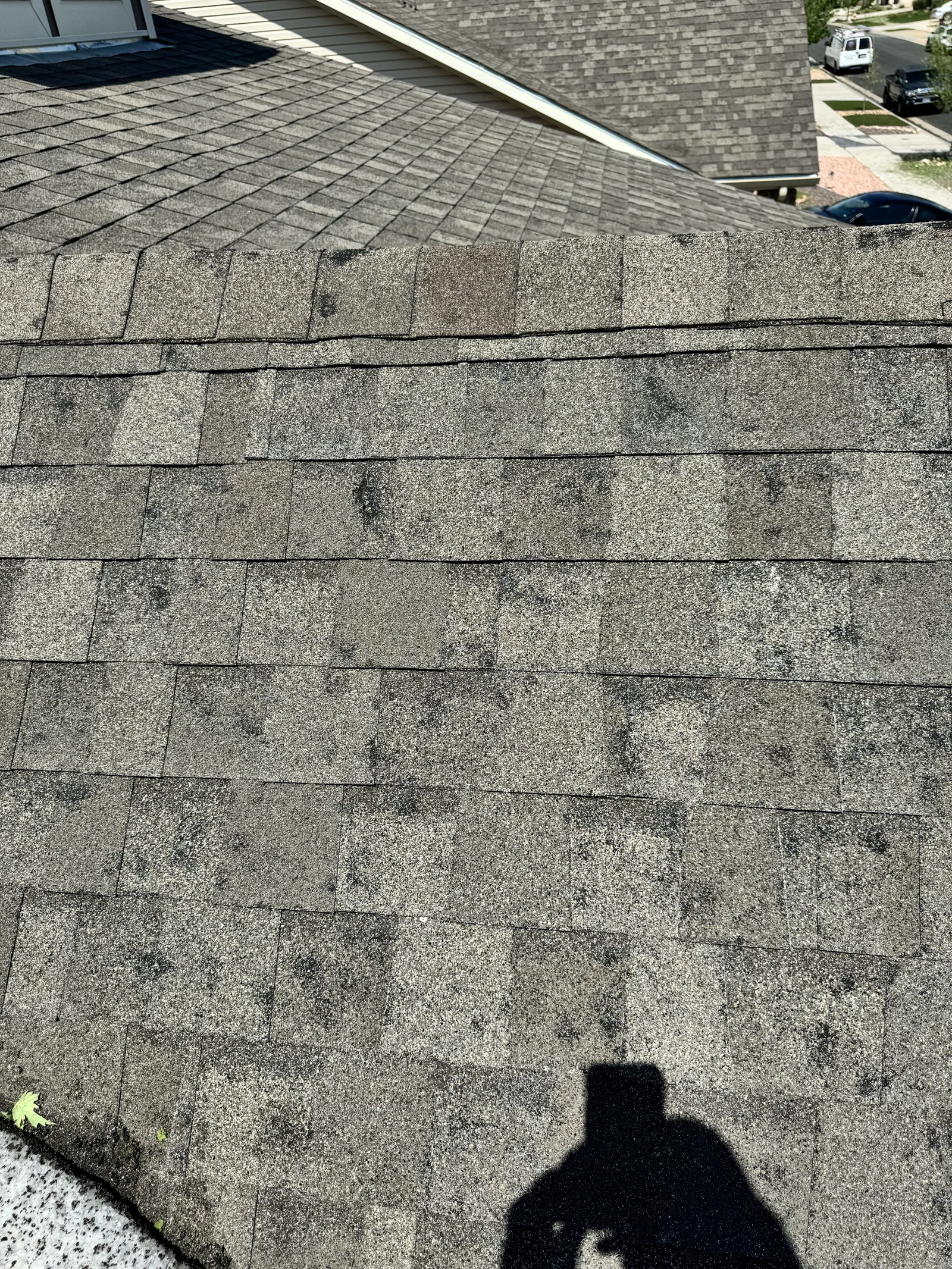
Denver sits at 5,280 feet on the Front Range, where hail season runs from April through September and June is historically the most active month for damaging storms. The city's housing spans Victorian-era homes in Capitol Hill and Congress Park to newer builds in Central Park, meaning roof age and material vulnerability vary block by block. Western neighborhoods near the foothills catch storms at peak intensity, while corridors along I-25 and I-70 funnel south- and east-tracking cells through dense residential areas. After a storm, bruised shingles and granule loss are the most common damage types, and both are invisible from the ground without a proper on-site inspection.
Denver, CO
CO Service Area
Communities we serve
Denver, CO
Roofing Contractor
Denver requires a building permit for any roofing project that covers more than 10 percent of the roof area or two squares, whichever is smaller. All new roof penetrations, such as vents or skylights, require a separate permit regardless of size. We pull the correct permit for your address before work begins, so your project passes inspection and your warranty stays intact.
Denver's wind design speed is zoned by street, ranging from 115 mph east of Federal Boulevard up to 140 mph in some western sections. That means the fastening pattern and shingle rating that works on one block may not meet code on the next. We read the zone for your specific address and install to the right standard every time.
Britton Hummell has spent more than two decades working roofs across the Denver metro. He started Above All Roofing because he saw too many contractors overpromise and underdeliver on storm damage jobs. Every inspection here is done on the roof, not from the driveway, and every scope of work is explained before a single shingle is touched.
At a glance
Roof inspection and storm and wind damage repair are the two most-requested services in Denver after a hail event, because damage to asphalt shingles at this elevation is often hidden until water enters the home. Roof installation and full roof replacement follow when inspections reveal that bruising or granule loss has compromised the shingle mat beyond repair. Gutter installation rounds out post-storm work, since hail impact bends aluminum gutters and clogs downspouts with granule debris.
Roof inspection, roof repair, and roof replacement for homes across the Denver metro area.
Gutter installation and gutter repair for homes in Denver and nearby cities.
Worked with us?
Leave a ReviewWorked with us?
Leave a ReviewNo qualifying reviews with text to display yet (only 4+ star reviews with a written comment are shown).
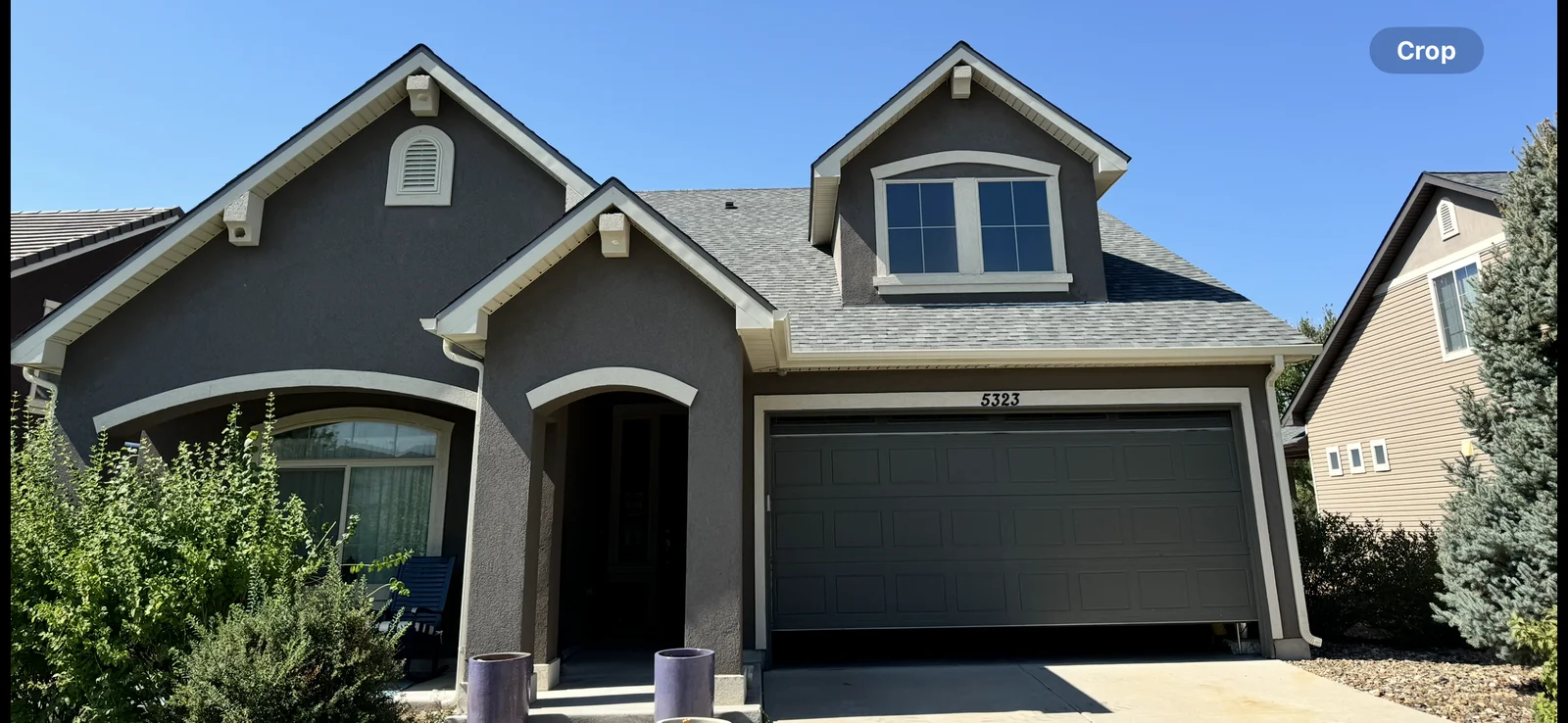 Roofing contractor
 Roofing contractor
 Roofing contractor
Serving Denver, CO
Our crew knows Denver, CO. We will show up on time, assess the job honestly, and give you a clear written number before asking you to decide anything.
Also serving across the Denver Metro Area:
Common questions from Denver, CO customers about our services, process, and coverage.
Class 4 impact-resistant asphalt shingles are the most practical upgrade for Denver homes because they are rated to withstand hail impact and qualify for insurance premium discounts under Colorado state law. Metal roofing is a longer-term option that resists both hail bruising and the UV degradation that accelerates at Denver's elevation. We inspect your existing system and explain which material fits your roof pitch, budget, and storm exposure before any work is scheduled.
Late spring through September gives shingle sealant strips the warm temperatures they need to bond properly, but that window overlaps with Denver's peak hail season from mid-May through mid-July. Scheduling an inspection in early spring, before the heaviest storm activity, lets you address aging shingles proactively rather than competing for contractor availability after a major storm. Fall, particularly September and October, is also a strong window because hail risk drops and temperatures stay warm enough for proper installation.
Yes. After a hail or wind event, we conduct an on-site inspection to document damage and, when needed, apply roof tarping to stop active leaks while a full repair or replacement is scheduled. Denver's dense housing stock means storm cells can hit dozens of blocks at once, so we prioritize homes with active water intrusion. Contacting us promptly after a storm gives us the best chance to protect your home before the next rain event.
Call us directly. Real answers, no scripts.
Stop by, call, or book online — we're always nearby when you need us.
Phone
(720) 365-9132Hours